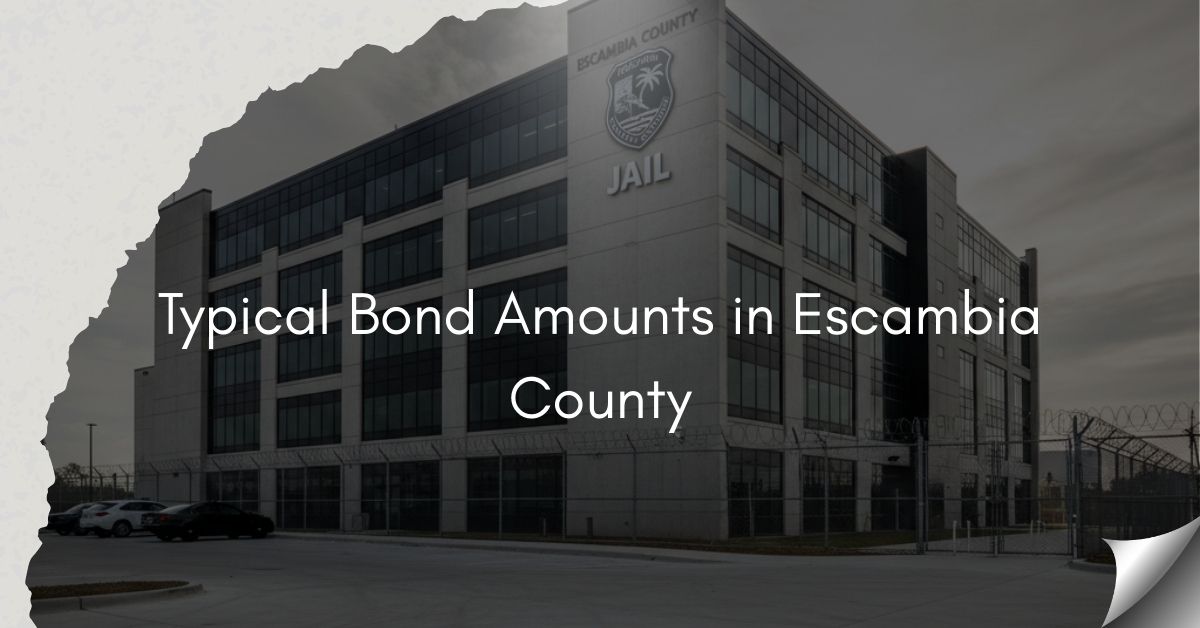
Typical bond amounts in Escambia County reflect the charge level and court review process. A standard bond may apply at booking, or a judge may set bail after reviewing the case at the Escambia County Jail. Bond amounts act as a financial condition for release before trial and vary by offense type, arrest details, and court history. Escambia bond amounts often follow a preset bond schedule for common charges, yet judges may adjust figures during a first appearance. This approach keeps release decisions consistent across cases while allowing court discretion. Local bond practices shape how fast release occurs and how much money is required. For many arrests, bond decisions happen within hours, though serious charges may require judicial review.
Escambia County uses county-specific rules that differ from those of other Florida jurisdictions. Standard bond amounts often apply to low-level charges, while higher offenses may wait for a judge to set bail. The Escambia County Jail follows these local procedures during booking and release. Bond amounts may rise or fall based on charge severity, prior court history, and safety concerns tied to the arrest. This local structure affects both the timing and the cost of release. Clear knowledge of Escambia bond amounts helps families anticipate next steps and avoid confusion during a stressful process.
What Bond Means in Escambia County
Bond in Escambia County refers to the financial amount set to allow a person’s release from jail before court. The term covers how release works, what types of bonds exist, and what conditions must be followed after release.
What a Bond Is Under Escambia County Practice
A bond is a financial promise made to the court that a defendant will return for scheduled hearings. Once the bond is posted, the jail may release the person under specific release conditions set by the court. These conditions can include travel limits, no-contact rules, or regular check-ins. Bond serves one main purpose: securing a court appearance. It does not determine guilt or innocence. Courts use bond amounts to balance public safety with the right to remain free before trial.
Common bond types used locally include:
- Cash bond – the full bond amount paid directly to the court
- Surety bond – a bond posted through a licensed bail bond agent
- Standard bond – a preset amount based on the charge type
Bail vs Bond: How the Terms Differ
People often use bail and bond as the same term, though they mean different things. Bail refers to the release itself. Bond refers to the financial method used to secure that release. For example, bail may be granted at a hearing. The bond is the dollar amount required to make that release happen. This distinction explains why court records and jail staff often focus on bond details rather than bail wording.
Why “Bond Amount” Is Commonly Used in Escambia County
Local courts, jail systems, and public records rely on the phrase bond amount. Arrest logs, booking summaries, and bond schedules all list bond figures tied to each charge. For this reason, residents searching case details usually see bond language first. Using bond terms helps keep communication consistent between the jail, the court, and bond agents.
How Bail Is Set in Escambia County
Bail in Escambia County is set either through a bond schedule or by a judge during a court appearance. The exact amount depends on the charge, the arrest process, and what happens at the first appearance hearing.
Who Sets Bail in Escambia County
In many cases, bail starts with a standard bond schedule. This schedule lists preset bond amounts for common charges. Law enforcement and jail staff use it soon after booking. As a result, some people receive a bond amount before seeing a judge. A judge-set bond applies when the charge falls outside the schedule or raises concerns. Judges review arrest details, prior court history, and public safety factors. At this point, bail may stay the same, increase, decrease, or be denied. This decision usually happens at the first court appearance.
The Role of Bond Schedules
Bond schedules help speed up the release process. They provide consistency for routine charges and reduce long jail stays for minor offenses. Escambia County relies on these schedules for many misdemeanor cases.
Typical features of a bond schedule include:
- Preset amounts for common offenses
- Higher amounts for repeat charges
- No preset bond for serious or violent cases
Felony charges often skip the schedule. Instead, a judge reviews the case before any release decision. This system balances efficiency with court oversight.
Timeline From Arrest to Bail Decision
The bond process follows a clear timeline in most cases:
- Arrest and booking at the Escambia County jail
- Initial bond assigned through the bond schedule, when allowed
- First appearance hearing within a short time window
- Judge reviews and confirms, changes, or denies bail
This process often moves quickly. Many defendants learn their bond amount within hours of booking. Judge review usually follows within a day.
Standard Bond Amounts by Charge Type
Standard bond amounts in Escambia County depend on the charge level and whether the offense is violent or non-violent. Misdemeanor bond amounts usually stay lower, while felony bond amounts increase sharply based on charge severity and public safety concerns. Bond amounts in Escambia County often follow a standard bond structure, though judges may adjust them after arrest. Courts review the charge type, prior record, and risk factors before setting release terms. The sections below explain how Escambia bond amounts differ between misdemeanors and felonies, with clear examples for context.
Misdemeanor Bond Amounts
Misdemeanor bond amounts in Escambia County usually range from a few hundred dollars to several thousand dollars. Non-violent charges tend to receive lower bonds, while violent misdemeanors often carry higher amounts. Misdemeanor cases involve less serious offenses, so courts usually apply lower typical bond amounts. Many of these bonds follow a preset schedule used by the county jail. Still, the final amount can change after a judge reviews the case.
Common misdemeanor bond ranges include:
- Minor non-violent offenses: $100 to $500
- Standard non-violent misdemeanors: $500 to $1,500
- Violent misdemeanors: $2,000 to $5,000
These numbers reflect common Escambia bond amounts seen at booking. Judges may raise or lower them at a first appearance.
Non-Violent Misdemeanor Examples
Non-violent offenses usually receive the lowest misdemeanor bond amounts. Courts see these cases as lower risk to the public.
Examples often include:
- Petit theft
- Driving with a suspended license
- Disorderly conduct without injury
- Trespassing
In these cases, release may happen quickly once the bond is posted. Some defendants may qualify for release without posting money.
Violent Misdemeanor Examples
Violent misdemeanors involve physical harm or threats, so bond amounts rise. Judges focus on safety and past behavior.
Examples often include:
- Simple battery
- Domestic violence battery
- Resisting an officer with violence
Bond amounts for these charges often start higher. Courts may add release conditions like no-contact orders or supervision.
Felony Bond Amounts
Felony bond amounts in Escambia County usually start in the thousands and can reach very high levels. Serious charges lead to a higher bond because courts focus on safety and court appearance risk. Felony cases carry heavier penalties, so felony bond amounts increase quickly. Courts rely less on schedules and more on judge review. Prior cases, charge details, and risk of flight shape the final number.
Common felony bond ranges include:
- Low-level felonies: $5,000 to $15,000
- Mid-level felonies: $20,000 to $50,000
- High-level or violent felonies: $75,000 and above
Some cases receive no bond at all, depending on the charge.
Low-Level Felony Examples
Low-level felonies often involve property crimes or non-violent acts. Courts may allow standard release terms.
Examples include:
- Grand theft
- Drug possession (non-trafficking)
- Fraud under higher dollar limits
These charges still bring a higher bond than misdemeanors, though release remains possible for many defendants.
High-Level Felony Examples
High-level felonies involve major harm or risk. Courts respond with much higher Escambia bond amounts.
Examples include:
- Armed robbery
- Sexual battery
- Homicide-related charges
Bond increases fast in these cases since judges focus on public safety, past convictions, and flight risk.
Why Felony Bonds Increase So Fast
Felony bond amounts rise for clear reasons tied to risk. Courts consider:
- Length of possible prison sentence
- History of missed court dates
- Use of weapons or serious injury
- Threats to victims or witnesses
Higher bond acts as a control measure, encouraging court appearance and reducing safety concerns.
Bail Cost vs Bond Amount
The bond amount is the full dollar figure set by the court, yet the bail cost in Escambia County is usually a smaller portion paid to secure release. Most families pay a percentage through a bail bond rather than the full bond amount.
The bond amount shows the total value assigned by the court, while the bail cost Escambia families pay depends on how the release is handled. A cash bond requires paying the entire bond amount directly to the court, which stays on hold until the case ends. Many families instead choose a surety bond, where only a bail bond percentage—often close to ten percent—is paid to a bail bond provider. This option allows release without paying the full amount upfront, which often eases short-term financial pressure.
Full Bond Amount vs Percentage Paid
The court sets the bond amount based on the charge, and this figure appears in jail records and bond schedules. Bond Status indicates whether bail has been posted, remains pending, or is not eligible. Paying a cash bond means submitting the full amount, such as $5,000, which may be refunded after all court appearances are completed. With a surety bond, the bail cost is lower because only a percentage of the bond amount is required, making this option more common for families seeking faster release without large upfront payments.
Typical Bail Bond Fee Structure in Escambia County
Bail bond fees in Escambia County usually follow a standard structure tied to the total bond amount. The bail bond percentage covers the service and risk assumed by the bond provider and is paid before release processing begins. These fees usually remain non-refundable once the bond posts, and higher bond amounts may involve collateral or payment arrangements depending on the situation and charge type.
Cash Bond Refunds and Financial Expectations for Families
A cash bond works differently from a surety bond because the court holds the full bond amount until the case reaches completion. If the defendant follows all release conditions and attends every court date, the court may return the bond after administrative deductions. Families should expect a waiting period for refunds and understand that missed court appearances can result in partial or full bond loss, which makes compliance a key financial concern.
Factors That Affect Bond Amounts in Escambia County
Bond amounts in Escambia County change based on case details and personal history. Judges review several risk factors to decide whether a standard bond fits the situation or a higher amount is needed. Courts aim to balance release with safety, so each case receives an individual review. The points below explain how Escambia bond amounts often take shape.
Charge Severity and Community Safety
Charge severity plays a major role in how a bond is set. Minor offenses often fall within a standard bond range, since they carry lower public safety concerns. Serious charges usually bring higher bond amounts, as courts weigh the potential impact on the community. Judges look closely at how the alleged offense affects public safety. Cases involving violence, weapons, or repeated harm often trigger stricter release conditions. That may include a higher bond or limits on contact with certain people.
Common factors tied to community safety include:
- Type of charge filed
- Use of force or threats
- Potential risk to victims or the public
- History of similar allegations
This approach helps the court decide if a standard bond applies or if a judge-set bond fits better.
Criminal History and Failure to Appear Risk
A prior record can influence Escambia bond amounts in a clear way. Someone with past arrests or convictions may face a higher bond, since courts review patterns over time. A clean record often supports lower bond ranges. Courts also focus on failure to appear, which reflects the chance that a person may skip court dates. Judges review past attendance, outstanding warrants, and ties to the area. Strong local connections often reduce that risk.
Factors tied to appearance risk include:
- Past missed court dates
- Active warrants in any county
- Length of residence in the area
- Employment or family ties
When the court sees a higher risk of nonappearance, bond amounts may rise. This method supports court attendance while still allowing pretrial release when possible.
When a Defendant May Have No Bond
A defendant may have no bond hold when the court believes release could threaten public safety or the legal process. This situation places the person in detention until a judge reviews the case. In Escambia County, a bond is denied in limited situations tied to serious offenses or legal restrictions. Courts review arrest details, prior records, and the nature of the charge. Violent felonies, repeat offenses, or active warrants often lead to a no-bond decision. In these cases, release is blocked until a hearing takes place. The goal is to manage risk and keep the process orderly.
Common situations where a bond may be denied include:
- Capital or violent felony charges, such as homicide or armed offenses
- Repeat felony arrests, especially with past failures to appear
- Probation or parole violations connected to a new arrest
- Outstanding warrants from other courts or jurisdictions
A no-bond hold does not mean permanent detention. It signals that a judge must review the case first.
Temporary No-Bond Holds and Judicial Review
Temporary holds are common after an arrest. Law enforcement may apply a short-term no-bond hold until the defendant appears before a judge. This pause allows the court to review facts, safety concerns, and legal limits. In many cases, the hold lasts until the first appearance hearing, often within 24 hours. Judicial discretion plays a central role. Judges may later set bail, keep the hold, or impose strict release conditions.
Decisions often reflect:
- Charge severity and use of force
- Prior court history
- Risk of flight or re-arrest
Some defendants remain in detention if the court finds no safe release option. Others may receive a standard bond after review. Each case follows its own path based on court findings and public safety needs.
Bond Hearings and Bond Reductions
A bond hearing is the court process where a judge reviews the custody status and decides if the bond should change. During this hearing, the court may approve pretrial release or order a bond reduction based on case details. A bond hearing takes place soon after arrest, often at the first court appearance. The judge reviews the charge, public safety concerns, and release conditions already in place. Prosecutors may argue for the current bond amount, and defense representatives may request a lower amount or release.
What Happens at a Bond Hearing
At a bond hearing, the court focuses on risk and fairness. The judge examines arrest reports, prior court history, and whether the person is likely to return to court. Each case receives individual review rather than automatic approval.
Points discussed during a bond hearing include:
- Type of charge and severity
- Criminal history, if any
- Community ties, such as work or family
- Public safety concerns
- Eligibility for pretrial release
The judge may keep the existing bond, adjust the amount, or approve release without payment. In some cases, extra conditions apply, such as travel limits or no-contact orders.
How Bond Reductions Are Considered and Timing Expectations
A bond reduction request asks the court to lower the original bond amount. Defense arguments often focus on affordability, low flight risk, or lack of prior offenses. Judges weigh these factors against safety and court attendance history.
Bond reduction hearings may happen:
- During the first appearance
- At a scheduled bond motion hearing
- After new case facts become available
Timing varies. Some hearings occur within days, and others take longer based on court schedules. Release after approval usually happens once the paperwork clears and the payment posts.
Posting Bond in Escambia County
Posting bond in Escambia County takes place after booking once a bond amount appears in the jail or court system. Release timing depends on where the bond is posted, the information provided, and how fast jail staff complete internal checks.
Where the bond is posted in Escambia County
Bond is posted through the Escambia County jail or another court-approved payment location after the booking and bond process finishes. A county jail bond tied to a bond schedule often allows payment directly at the jail, once the amount shows as active. Bonds set during a court appearance may require confirmation from court staff before payment goes through. In many cases, higher bond amounts move through licensed bond agencies that coordinate with jail records staff, which can add review time before acceptance.
Required information to post bond
Posting bond requires accurate case details so jail staff can match the payment to the correct booking. The payer must provide the defendant’s full legal name, date of birth, and booking number, along with the charge and bond amount listed in the system. A valid government-issued ID is required from the person posting bond, along with an accepted payment method based on jail policy. Clean and complete information helps prevent delays during verification, especially during peak intake hours.
Processing time after bond payment
Processing time begins once payment clears and jail records update the bond status. A cash bond often clears faster since no third party is involved; at the same time, a surety bond may take longer due to paperwork review between the jail and the bond agency. Processing usually takes several hours, though workload, staffing levels, and shift changes can affect timing. Background checks tied to release conditions may extend this stage.
Release timeline from the county jail
Release starts after bond approval and completion of final checks. Jail staff confirm identity, review release conditions, and complete exit paperwork before discharge. Most standard cases result in release within two to six hours after bond posts, though medical screening, classification reviews, or transport coordination can extend the wait. The final timeline depends on jail volume, charge level, and compliance with all release rules.
(FAQ) About Escambia Bond Amounts
Yes, Escambia bond amounts can change after arrest, refunds depend on the bond type, and violations often lead to stricter court action. These results connect directly to how courts set bail and apply a standard bond.
Can a bond change after an arrest?
Yes, a bond can change after an arrest once a judge reviews the case. Law enforcement may apply a standard bond during booking, yet a judge can set bail again at a first appearance hearing. At that stage, the court reviews charge details, prior cases, and court history, then adjusts the bond higher, lower, or replaces it with release without payment. This review process explains why Escambia bond amounts may differ for similar charges.
Is the bond refundable?
Refunds depend on the bond type set by the court. A cash bond often returns after the case ends, once all court duties are complete and approved, though court fees may reduce the amount. A surety bond paid through a bail company does not return the paid fee, since that payment covers the service used to post bail. Knowing the bond type helps families estimate the real bail cost Escambia cases involve.
What happens if conditions are violated?
Violating bond conditions usually leads to a fast court response. A judge may revoke bond, raise the amount, or order custody until the next hearing. Missed court dates, new charges, or contact violations often trigger these actions. Courts apply these steps to protect the bond system and reinforce compliance tied to how bail is set.
Who decides the bond amount in Escambia County?
Bond amounts come from either a preset schedule or a judge. After arrest, jail staff may apply a standard bond based on the charge. A judge then reviews the case during the first court appearance and may keep the amount, change it, or set bail with conditions. This review explains why Escambia bond amounts can differ even within the same offense category.
How long does the release take after the bond is posted?
Release time depends on jail processing and verification steps. Once the bond is posted, staff confirm payment, review release conditions, and complete paperwork. This process may take a few hours, though busy periods can extend wait times. Delays do not change the bond amount, yet they affect how quickly the release occurs after bail cost Escambia payments are made.