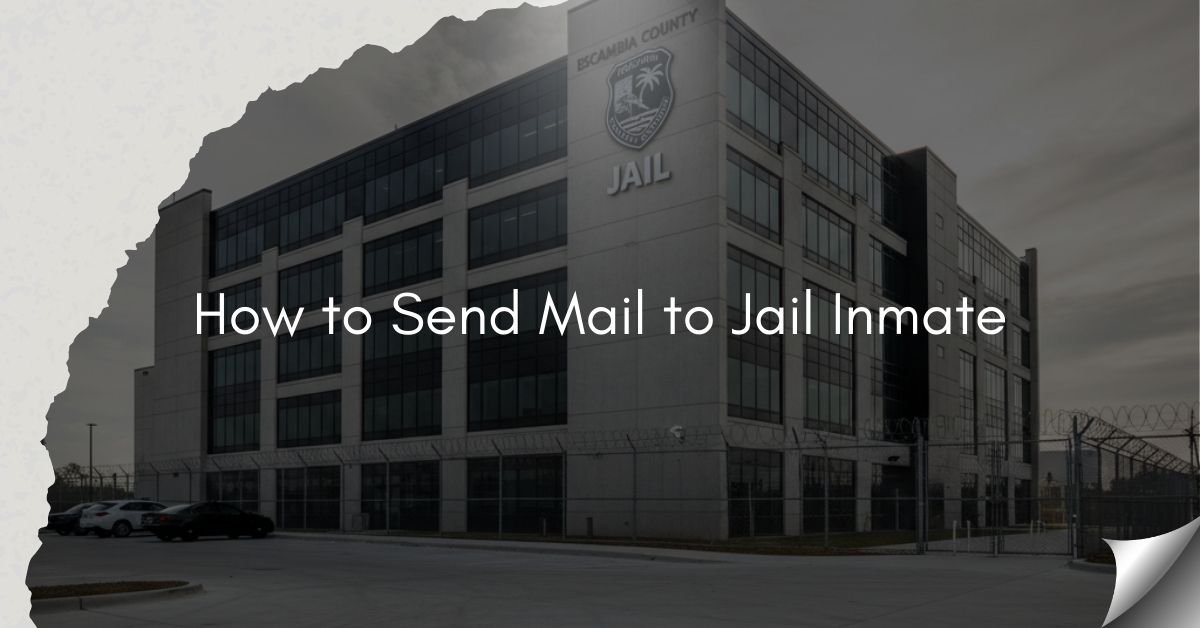
Sending mail to an Escambia inmate is simple when you follow the correct steps and use the proper inmate mailing address. Letters and postcards provide inmates with an important connection to family, friends, and legal support, so ensuring your mail reaches them is essential. Using the right format, including the inmate’s full name and ID number, along with the official Escambia County jail address, helps prevent delays or rejected mail. Following the facility’s mail rules and guidelines ensures that your correspondence is delivered safely and securely. This includes using plain envelopes, standard paper, and avoiding prohibited items that could cause mail to be returned or destroyed.
The rules for inmate mail help protect both the sender and the inmate. Escambia County jails carefully screen all incoming letters to prevent contraband and maintain safety. Knowing what items are allowed, how to address your envelopes correctly, and including a clear return address increases the chances your letters arrive quickly. This guide explains steps instructions, what you can and cannot send, and how to comply with official policies. By following these instructions, anyone can confidently send mail to Escambia inmates, maintain regular communication, and ensure that their letters are received without unnecessary delays or issues.
What You Need to Know Before You Mail a Letter to an Inmate
Sending mail to an inmate requires careful attention to the facility’s rules and procedures. Letters that do not meet the required standards can be delayed, returned, or rejected outright. Before mailing a letter, it helps to know how inmate mail rules work and why certain steps are mandatory. Every piece of mail is screened for contraband, and proper formatting ensures it reaches the intended recipient. Understanding these steps can save time and prevent common mistakes.
How Inmate Mail Is Screened
All incoming letters, postcards, and packages are reviewed by jail staff. This mail screening process is in place to prevent contraband such as drugs, weapons, or unauthorized items from entering the facility.
During screening, staff may:
- Open envelopes to check the contents.
- Verify that letters, photos, or documents follow facility rules.
- Remove anything that violates inmate mail rules, such as staples, glue, or stickers.
Inmates only receive mail that passes this inspection, and any items flagged as contraband are returned to the sender or destroyed. This ensures safety and compliance with facility regulations.
Why a Return Address Is Required
Every piece of mail must include a complete return address. Without it, the facility cannot return mail that is rejected or undeliverable. A proper return address should include:
- Sender’s full name
- Street address or P.O. Box
- City, state, and ZIP code
Mail with a missing or incorrect return address is often refused at intake. Adding a clear return address also helps avoid delays and ensures that important letters reach the inmate efficiently.
Mail Rules Overview
Jails enforce specific rules regarding ink color, paper type, and envelopes. Following these rules keeps letters from being rejected:
- Ink and Paper: Use blue or black ink on plain white paper. Avoid colored pens, highlighters, or decorative stationery.
- Envelopes: Standard envelopes without stickers, glitter, or tape are acceptable. The inmate’s name and ID should be written clearly on the front.
- Letter Content: Messages should avoid threats, inappropriate language, or references to contraband.
By following these inmate mail rules, senders can help ensure that letters arrive quickly and safely. Even small details, like neat handwriting and a properly folded letter, can make a difference.
Steps: How to Send Mail to an Escambia Inmate
Sending mail to an Escambia inmate is straightforward when the correct steps are followed. By confirming the inmate’s details, using the proper mailing address, formatting the envelope correctly, and preparing the letter carefully, correspondence will reach the intended recipient without delays.
Confirm the Inmate’s Details
Before sending any mail, it is critical to verify the inmate’s full name, booking or inmate ID (if available), and housing assignment. These details ensure that the facility can correctly identify and deliver the mail to the right person. Sending letters without accurate information can result in returned mail or delays.
Points to check:
- Full Name: Use the inmate’s official legal name as listed in the Escambia County Jail records.
- Booking/Inmate ID: Many facilities, including Escambia County Jail, require the unique inmate ID on the envelope.
- Housing Assignment: If known, include the housing unit to speed up delivery.
Confirming these details before mailing also helps avoid lost or misdirected letters and ensures compliance with the facility’s mail rules.
Use the Correct Inmate Mailing Address
Using the precise inmate mailing address is essential to guarantee timely delivery. Escambia County Jail has standard addresses for the main facility and the Work Annex, and each must be used exactly as listed.
Main Facility Mailing Address:
- Inmate’s Full Name & Housing Assignment
- Escambia County Jail
- P.O. Box 17800
- Pensacola, FL 32522‑7789
Work Annex Mailing Address:
- Inmate’s Full Name & Housing Assignment
- Escambia County Work Annex
- 601 Highway 297A
- Cantonment, FL 32533
Including the inmate’s name, housing unit, and correct facility address is vital. Omitting any part may cause the mail to be returned or delayed. This is especially important for items like letters, postcards, or photos, which the facility screens according to its mail rules.
Format the Envelope Correctly
Proper envelope formatting ensures that mail is processed efficiently. Escambia County requires that the return address and inmate information be placed in specific locations.
Envelope Formatting Guidelines:
- Return Address: Top left corner of the envelope. Include the sender’s full name and mailing address.
- Inmate Name & ID: Centered on the envelope. Include the inmate’s full name and, if known, the booking or inmate ID.
- Facility Address: Below the inmate’s name, add the correct facility address (main jail or Work Annex).
- Ink Color: Use black or blue ink for all written elements.
Example Envelope Layout:
- Return Address
- John Smith
- 123 Main Street
- Pensacola, FL 32501
- Center
- Jane Doe #123456
- Housing Unit A
- Bottom
- Escambia County Jail
- P.O. Box 17800
- Pensacola, FL 32522‑7789
Following this format helps the mail staff at Escambia County quickly identify recipients and ensures compliance with the jail’s inspection procedures.
Prepare Your Letter or Postcard
After confirming details and formatting the envelope, focus on the content of the letter or postcard. The facility has clear mail rules regarding what can be included.
Preparation:
- Use plain white paper, standard letter size. Avoid colored or decorative paper.
- Do not use glue, tape, or stickers on letters or envelopes. These items can be considered contraband.
- Write neatly by hand or type the letter for clarity. Avoid cursive that is difficult to read.
- Only include content allowed by the facility, such as personal letters, legal correspondence, or photos that meet size and content rules.
- Avoid enclosures such as money, gift cards, or any prohibited items.
Additional Advice:
- Keep letters concise and polite.
- For postcards, ensure all writing is visible and legible.
- Include your return address on every piece of correspondence so it can be returned if undeliverable.
By following these steps, anyone can send mail to an Escambia inmate efficiently and within facility regulations. Correctly addressing the envelope, verifying inmate details, and preparing letters in accordance with mail rules ensures the inmate receives correspondence safely and promptly.
Allowed Items You Can Mail
Inmates at Escambia County Jail can receive certain types of mail, but only if they follow the facility’s inmate mail rules. Knowing what is allowed ensures letters and packages reach the inmate without delays or rejection.
Letters and Postcards
Letters and postcards are the most common types of mail that inmates can receive. Each piece should be written on plain white paper and enclosed in a standard envelope. Blue or black ink is recommended, and handwriting should be clear and legible.
- Postcards: Must be sent from standard postcard stock and cannot contain any stickers, glitter, or drawings that violate mail rules.
- Letters: Multiple pages are acceptable, but pages must be stapled or folded neatly; no glue, tape, or attachments that could conceal prohibited items.
These rules help ensure that the mail passes the jail’s inspection and reaches the intended inmate safely. Including a return address on every letter or postcard is mandatory, both for accountability and potential return if the mail is rejected.
Photos
Inmates may receive photographs, but there are restrictions on size and content.
- Photos should be wallet-size or 4×6 inches, and Polaroid or instant photos are not accepted.
- They must not contain nudity, offensive gestures, or any material considered contraband.
- The maximum quantity per envelope may vary, so it is recommended to check the inmate mail rules before sending multiple photos.
Using proper photo sizes and following content rules ensures that inmates can enjoy personal connections through images without mail being returned.
Legal Mail
Legal mail has special handling and is treated differently from regular letters. Mail marked as legal usually comes from attorneys, courts, or government agencies.
- Legal mail must be clearly labeled “Legal Mail” on the envelope.
- Jail staff may open legal mail only in the presence of the inmate to verify the sender.
- All other mail rules, such as return address and envelope standards, still apply.
Properly addressed legal mail guarantees that the inmate receives sensitive documents while complying with security procedures.
Books, Magazines, and Newspapers
Inmates are allowed to receive reading material, but only under strict conditions:
- Books and magazines must come directly from a publisher, bookstore, or approved online retailer. Personal copies sent by friends or family are not accepted.
- Newspapers are usually allowed if sent via a subscription service or approved delivery.
- Materials cannot contain offensive content or images that violate jail policies.
Following these rules prevents mail from being rejected or returned, maintaining a consistent flow of reading material for inmates.
Enclosed Stationery
Stationery items, such as pre-printed envelopes or paper included with letters, are typically accepted if they comply with jail rules.
- Only stationery enclosed within a letter is permitted. Loose or separate stationery may be rejected.
- Items must not include stickers, advertisements, or materials that could conceal contraband.
Sending proper stationery ensures inmates can continue writing back without delays or violations.
Prohibited Items & Common Mail Mistakes
When sending mail to an Escambia inmate, certain items are strictly prohibited, and failing to follow mail rules can result in letters being rejected or destroyed. Avoiding these common mistakes ensures your mail reaches the inmate safely and complies with the facility’s policies. Inmate Phone Calls are another way to maintain contact, and understanding both phone and mail rules helps families stay connected. Escambia County Jail enforces strict mail rules to maintain safety and security. Every piece of incoming mail is screened for contraband, so items that violate policy are immediately removed. Understanding what is not allowed helps prevent frustration and delays in communication.
Items Not Allowed in Inmate Mail
Some items are automatically considered prohibited items and should never be sent:
- Glitter, confetti, or crayons: Colored additives can be misused or create safety hazards.
- Colored ink or markers: Only blue or black ink is permitted for letters; bright inks can trigger inspection flags.
- Envelopes with tape or stickers: Adhesives may hide contraband or damage processing equipment.
- Cash or money orders inside regular mail: Monetary items must be sent through approved channels, not inside letters.
- Books, magazines, or printed materials not sent by the publisher: All publications must come from the publisher or an approved vendor to prevent contraband.
- Contraband items: Drugs, weapons, explicit material, or any unapproved objects are strictly forbidden.
These restrictions are part of the facility’s inmate mail rules to ensure the safety of staff, visitors, and inmates. Mail that violates these rules may be destroyed, returned, or held for inspection.
Common Mistakes to Avoid
Even well-intentioned letters can be rejected if they do not follow jail procedures. Some of the most common mistakes include:
- Incorrect addressing: Omitting the inmate’s full name, booking number, or housing assignment can prevent delivery.
- Missing return address: Every letter must clearly list the sender’s address for accountability.
- Using non-approved paper: Lined or colored paper, torn sheets, or sticky notes may be rejected.
- Exceeding size limits: Oversized envelopes or multiple sheets can be considered a security risk.
- Including prohibited items inadvertently: Small additions like stickers, perfume, or tape can violate mail rules.
By paying attention to these details, senders improve the likelihood that their correspondence arrives without delay.
Why Mail Is Screened
All inmate mail undergoes inspection for contraband. This process ensures that illegal or unsafe items do not enter the facility. Staff check for:
- Hidden objects in letters or envelopes
- Unauthorized enclosures such as money, unauthorized books, or photos
- Items that could compromise inmate safety
Failing to follow mail rules can result in mail being returned, confiscated, or destroyed. Understanding these policies protects both the sender and the inmate and helps maintain consistent communication.
Special Types of Mail
Sending mail to an inmate involves more than just letters, as certain types of correspondence follow specific rules to ensure proper delivery.
Legal Mail
Legal mail is communication between an inmate and their attorney or legal representatives and receives special handling to maintain confidentiality. Correctional staff may open the envelope in the inmate’s presence but cannot read the contents, and the envelope must clearly state “Legal Mail – Attorney/Client Privileged” along with the inmate’s full name and booking number. Only mail from licensed attorneys or official legal offices is accepted, and additional enclosures are prohibited. Following these rules ensures legal correspondence reaches the inmate securely and promptly while complying with mail rules.
Priority and Certified Mail
Priority or certified mail is optional but can be useful when sending important letters. These services provide tracking and proof of delivery, offering reassurance that the inmate received the correspondence. While Priority Mail may arrive faster, all items are still screened according to standard mail rules.
Senders should remember:
- Include the correct inmate mailing address and booking number.
- Keep tracking numbers or receipts for reference.
- Do not include prohibited items, as the facility may return the mail.
Using these services increases accountability and reduces the risk of lost mail.
Packages
Packages sent to inmates follow stricter guidelines than letters. Most facilities only accept items from approved third-party vendors. Sending packages directly from home is often not allowed. Commonly approved items include books, magazines, and limited personal care items. All packages are inspected for contraband, and any violations of mail rules can lead to rejection or delay.
When sending a package:
- Purchase books or magazines from verified retailers or publishers.
- Avoid including personal notes, stickers, or unauthorized items.
- Check the facility’s rules for allowed clothing or personal items.
Following these steps ensures that packages reach the inmate safely and without issues.
Books and Magazines
Books and magazines must come directly from a verified publisher or approved retailer, as personal copies or hand-delivered items are usually prohibited. Softcover books and original packaging for magazines are preferred, and extra attachments or notes are not allowed. Ensuring content meets facility restrictions and follows mail rules increases the likelihood that reading materials will be delivered successfully and without delays.
(FAQ) About Send Mail
Sending mail to an inmate in Escambia County can raise many questions. This section answers the most common concerns, including addressing letters, sending postcards or photographs, mailing books, and why mail may be rejected, while following the jail’s official rules and policies.
What address do I use to mail an inmate in Escambia County?
To mail an inmate in Escambia County, the sender must include the inmate’s full name, housing assignment, and the official facility address. The return address of the sender should appear in the top left corner to ensure the letter can be returned if there is an issue. For the main facility, the address is P.O. Box 17800, Pensacola, FL 32522‑7789, and for the Work Annex, it is 601 Highway 297A, Cantonment, FL 32533. Including the inmate’s ID number and housing unit helps prevent delays, and using plain envelopes with blue or black ink follows the jail’s mail rules.
Can I send postcards?
Postcards are allowed, but they must follow the Escambia County jail’s mail rules. Only one postcard per envelope is recommended, and it should be free of stickers, glitter, or any items considered contraband. Messages must be appropriate, and offensive language or gang references can result in rejection. Writing clearly with standard ink ensures the postcard is delivered, and including the sender’s return address guarantees that any issues are addressed promptly.
Are photographs allowed?
Photographs can be sent to inmates, but the facility has restrictions on size and type. Standard photo paper up to 4×6 inches is permitted, while Polaroids, laminated images, or photos with embellishments are not. Handwritten messages on the back are generally not allowed unless specified. Sending photographs that follow the mail rules helps prevent the item from being rejected or destroyed and allows inmates to receive personal images safely.
Can I send books or magazines?
Books and magazines may be sent only from approved publishers or online retailers, as personal copies mailed directly from home are not accepted. Platforms like Amazon or Barnes & Noble can ship directly to the inmate’s address. All publications must be free of stickers, bindings, or additional items that violate contraband policies. Following these mail rules ensures that reading materials reach inmates quickly without being delayed or confiscated.
Why was my mail rejected?
Mail can be rejected for several reasons, usually due to prohibited items, improper addressing, or missing return information. Common causes include using colored ink, sending cash or unauthorized materials, or including offensive content. Letters that do not follow the jail’s mail rules are often returned to the sender. Carefully preparing mail, double-checking addresses, and following the facility’s policies helps prevent rejection and ensures that correspondence reaches the intended inmate promptly.