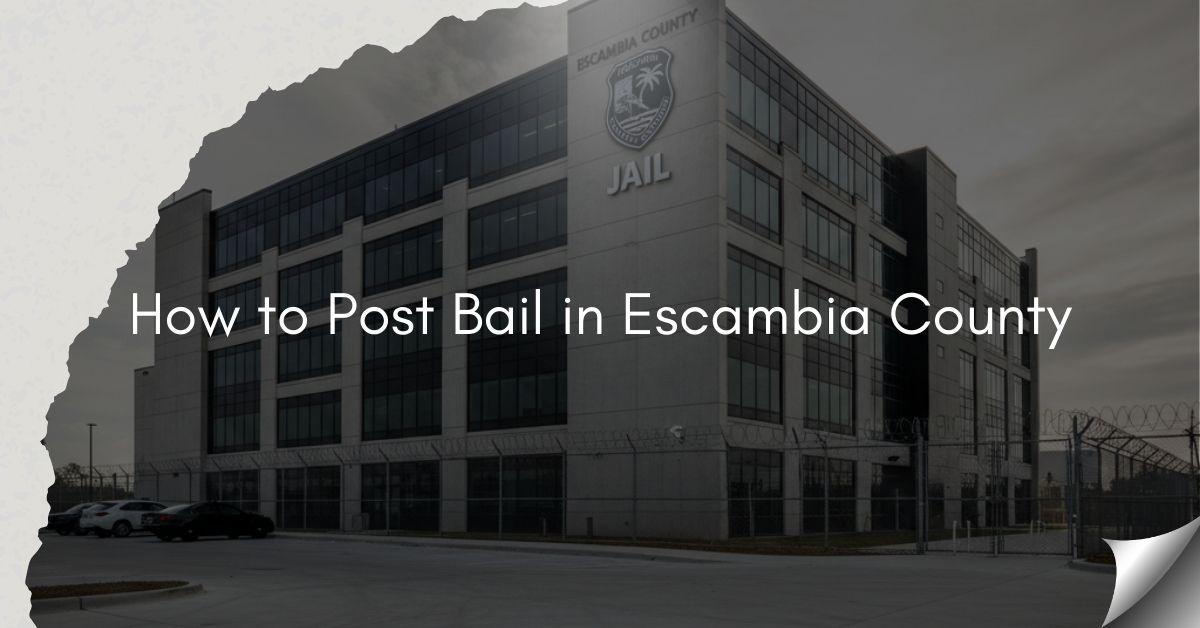
Posting bail in Escambia County means paying a court-set bond amount so an arrested person may leave jail before court. This process involves a bond payment made at the Escambia County jail or court location, followed by release bond processing handled by jail staff. This page is written for family members, friends, or approved parties who need clear steps on how to post bail in Escambia County cases without delays. It applies to arrests handled by Escambia County Jail and cases processed through local county courts. The focus stays on real procedures used by the detention center, including booking status, bond amount confirmation, and payment acceptance. Every step reflects how bail works locally, not general bail rules.
The bail process starts after booking and bond assignment by the court or jail authority. A bond payment may be submitted as a cash bond or through other approved bond types, based on the charge and court decision. Once payment is accepted, the release bond enters the Escambia County Jail release workflow, which includes record checks and discharge approval. Release time depends on staffing, intake volume, and verification steps required by the detention center. This page explains what happens at each stage, what information is needed, and what delays may occur. The goal is to help readers act with clarity during time-sensitive situations tied to Escambia County bail procedures.
What is the Bail in Escambia County
Bail in Escambia County is a legal mechanism that allows an arrested individual to be temporarily released while awaiting court proceedings. Posting bail involves paying a specific amount, known as a bond, to guarantee the person appears for their scheduled court dates. Bail serves as a safeguard for the judicial system, balancing the defendant’s freedom with public safety. The Escambia County bail process is designed to ensure that individuals have the opportunity for temporary release, while also enforcing accountability through bond conditions. Each case may have a unique bond amount, set by a judge based on factors such as the severity of the offense, criminal history, and risk of flight.
Difference Between Bail and Bail Bond
While the terms are often used interchangeably, there is a distinction. Bail is the actual money or property deposited to secure release. A bail bond is a financial guarantee provided by a licensed bail bondsman on behalf of the defendant, usually for a fee. For example:
- Cash Bail: Paid in full by the defendant, refundable after court appearances.
- Bail Bond: Paid via a bond agent, often 10–15% of the total bond amount, non-refundable.
- Release Bond: A form of surety that ensures the defendant complies with court obligations and appears at all court appearances.
This distinction is important for anyone posting bail in Escambia County, as it affects payment options, fees, and responsibilities.
County-Level Authority Over Bail Rules
In Escambia County, the county court system holds authority over setting bail, determining bond conditions, and regulating how release is processed. Judges may adjust bail based on public safety considerations, flight risk, or prior convictions. The Escambia County Jail coordinates with the court to manage intake, process payments, and ensure that release bonds meet all legal requirements.
Points about the local bail system include:
- Bond Payment Methods: Cash, certified check, or through a licensed bail bondsman.
- Conditional Release: Certain charges may require additional terms, such as electronic monitoring or travel restrictions.
- Court Oversight: Failure to appear at a court appearance can result in forfeiture of the bond and potential additional charges.
The differences between bail types, payment methods, and county-specific rules help ensure a smoother Escambia County bail process. By knowing what a bail bond and release bond involve, individuals can make informed decisions and comply with legal obligations while awaiting trial.
Who Is Eligible for Bail in Escambia County
In Escambia County, most individuals charged with a criminal offense may be eligible for bail, allowing temporary release before their court appearance. Eligibility depends on the type of arrest, the severity of the charge, and any pending legal restrictions. Eligibility for bail begins with the type of offense. Individuals arrested for non-violent crimes or minor infractions are typically allowed pretrial release through bail. For more serious offenses, such as felony charges, judges may impose stricter conditions or deny bail entirely. During the bail hearing, the court reviews factors like flight risk, prior criminal record, and community ties to decide whether the individual qualifies for release.
Arrest Types Eligible for Bail
The following arrest types generally qualify for bail in Escambia County:
- Misdemeanors: Petty theft, simple assault, or minor drug possession cases usually allow bail.
- Non-violent felonies: Certain property crimes or white-collar offenses may also qualify.
- First-time offenders: Courts often consider first-time offenders as lower flight risks, increasing their eligibility for release on bond.
Judicial discretion plays a significant role in these decisions. Even if an offense usually qualifies for bail, the judge may consider other elements, including prior convictions, pending warrants, or the individual’s behavior during arrest.
Exceptions That May Affect Bail
Some circumstances prevent bail, even for eligible charges:
- Active warrants from other jurisdictions.
- Holds by federal or state agencies, including probation or parole violations.
- Severe charges like capital offenses or crimes posing public safety risks.
When these exceptions apply, the court may deny bail or require a higher bond amount to mitigate risk.
Judicial Discretion and Special Considerations
Judges in Escambia County evaluate each case individually. They can:
- Set higher bond amounts for those deemed higher risk.
- Require cash or surety bonds, depending on the charge.
- Place restrictions on pretrial release, such as electronic monitoring or travel limits.
By weighing these factors, the court ensures that bail is granted fairly while protecting public safety. Who can post bail and under what conditions helps families and legal representatives prepare for the bail process efficiently.
Steps: How to Post Bail in Escambia County
Posting bail in Escambia County begins with knowing the bond amount and completing the payment process at the appropriate facility. The process requires careful attention to steps, from confirming the inmate’s bond to the final release from jail. How to post bail in Escambia ensures the procedure is smooth and reduces delays in inmate release. The county operates specific procedures through the detention center bond desk, where all payments and documentation must be processed accurately. This section breaks down the step-by-step procedure, including bond types, payment methods, and release timing.
Confirm the Bond Amount
The first step in posting bail is confirming the correct bond amount for the inmate. Each arrest carries a specific bond, which is determined during inmate booking or set at a bail hearing by a judge.
- Check official records: Contact Escambia County Jail or the Clerk of Court to verify the exact bond amount.
- Know the inmate details: You’ll need the full name, date of birth, and booking number to confirm the bond.
- Understand bail conditions: Some bonds may have restrictions, such as no alcohol or travel limits.
Having the correct bond information prevents delays and ensures that the bond payment is processed without complications. Confirming these details first also allows anyone posting bail to choose the most suitable payment method for their situation.
Choose the Type of Bond
After confirming the bond amount, the next step is selecting the type of bond. Escambia County accepts several forms of bonds, and the choice affects how quickly an inmate can be released.
- Cash Bond: Payment in cash equal to the bond amount. Typically requires exact change or certified funds.
- Surety Bond: Arranged through a licensed bail bondsman, usually costing a percentage of the total bond.
- Release Bond: Certain inmates may qualify for release under their own recognizance or a court-approved release bond.
Choosing the right bond ensures a faster posting bail process and provides clarity on obligations after release. Using a surety bond involves additional paperwork but may reduce upfront costs.
Make the Bond Payment
The next step is completing the bond payment at the Escambia County detention center bond desk. Payment methods vary depending on the bond type.
- Cash or certified funds: Accepted for cash bonds.
- Credit or debit cards: Accepted in some cases, depending on jail policy.
- Bail bondsman: For surety bonds, the agent handles payment and paperwork.
Once payment is made, the jail provides a bond receipt. This receipt is important for verification and should be kept for court purposes. The bond desk staff will review all documents and confirm the payment, ensuring that the inmate release process can proceed without delays.
Jail Release Processing
After the bond is posted, the jail release time varies depending on inmate processing and the time of day. Escambia County staff completes intake verification, confirms all paperwork, and prepares the inmate for release.
- Weekday processing: Often faster due to full staff availability.
- After-hours or weekend posting: May take longer; release occurs once staff can complete the necessary steps.
During this period, the inmate release process includes checking identification, confirming bond receipt, and providing instructions for court appearances. Once completed, the inmate is formally released from custody, and the posting party is notified.
Where to Post Bail in Escambia County
Bail in Escambia County can be posted either at the county jail or through the clerk of court, depending on the type of bond and the time of day. Both locations process bond payments, but procedures differ for regular hours, after-hours, and weekends.
Posting Bail at the Escambia County Jail
The Escambia County Jail handles most bond payments directly through its detention center bond desk. This is the standard location for posting bail Escambia County jail for individuals currently in custody. The jail accepts cash bonds and bonds paid via approved methods, and staff provide a bond receipt immediately after payment.
Points to note:
- The bond desk operates during normal business hours, typically from 8:00 a.m. to 5:00 p.m.
- Cash, money orders, and certified checks are the most common payment types.
- After the bond is posted, release procedures usually begin immediately, though actual release can take one to a few hours depending on intake processing.
Posting Bail Through the Clerk of Court
Certain types of bonds, especially those issued by the court, may be paid at the clerk of court bond payment office. This option is generally used for scheduled court cases or bonds set during a hearing. Payments made through the clerk’s office are documented, and a bond receipt is provided to confirm payment.
The clerk of the court typically handles:
- Court-issued bonds
- Payments for defendants not currently in custody
- Scheduled bond postings for after-hours court appearances
After-Hours, Weekend, and Holiday Procedures
Escambia County provides limited options for posting bail outside regular business hours:
- After-hours postings: The jail maintains a 24-hour intake system for urgent bond payments. Payments are usually cash only, and a receipt is issued immediately.
- Weekend and holiday postings: The jail’s detention center may accept bonds during holidays and weekends, though processing times can be longer. It is recommended to contact the jail in advance to confirm availability.
By knowing whether to use the jail bond desk or the clerk of court bond payment, individuals can ensure a smoother release process. Planning for after-hours or weekend payments helps prevent delays in release and ensures compliance with the Escambia County bail process.
Accepted Payment Methods for Bond Payment
Posting a bond in Escambia County can be completed using several accepted payment methods. Individuals can pay with cash, a card, or a money order, depending on the facility’s rules and the type of bond. How to pay bail in Escambia County helps reduce delays during the release process. Each payment method has specific requirements, and the jail ensures proper verification before releasing an inmate.
Cash Bond
Cash is the most straightforward way to complete a bond payment. The Escambia County detention center accepts cash at the bond desk, and the full bond amount must be paid in U.S. currency. Upon payment, the facility provides a bond receipt, which serves as proof that the inmate’s release is authorized.
- Only exact amounts or certified funds are usually accepted.
- Payment must be made in person during normal business hours unless after-hours arrangements are allowed.
- Cash bonds are refundable if the defendant meets all court obligations and the bond is exonerated.
Card Payments
Some Escambia County facilities allow debit or credit card payments for posting bail. Card transactions provide convenience and immediate verification. The bond receipt is issued once the transaction clears, confirming that the bond payment is complete.
- Cards must be valid and in the name of the payer.
- A processing fee may apply depending on the facility’s policies.
- This method is often faster than cash because it reduces handling and counting errors.
Money Orders
Money orders offer a secure alternative to cash or cards. They are widely accepted for bond payments, especially when someone outside the local area needs to post bail. The detention center requires that the money order be correctly filled out and made payable to the appropriate Escambia County authority.
- Money orders should match the full bond amount.
- The payer must keep a copy for verification and record-keeping.
- This method can be mailed if the facility allows, but it may delay release processing.
Restrictions and Verification
Escambia County enforces strict verification for all bond payments. The jail confirms the bond type, amount, and payer identity before processing the release. This step ensures compliance with county rules and prevents errors or fraud.
- After payment, the bond receipt is always issued and should be retained until the court case concludes.
- Certain bond types, like surety bonds, may require licensed bonding agents instead of personal payment.
- Payments made outside approved channels may be rejected or delayed.
Using the correct payment method and following the jail’s verification process ensures a smooth release. Knowing which options are accepted and how each works helps avoid unnecessary delays and keeps the posting bail process on track.
How Long Does Release Take After Posting Bail
After posting bail, release from Escambia County Jail can happen within a few hours, but timing varies depending on several factors, including the typical bond amounts associated with the charge. Some inmates may be released the same day, while others could experience delays due to processing or backlog. The jail release time depends on the inmate release process managed by the county. Once a release bond is paid, staff must verify the payment, complete paperwork, and confirm the inmate’s identity. During busy periods, such as weekends or holidays, these steps may take longer.
Factors that can affect release speed include:
- Intake backlog: When multiple inmates are being processed at the same time, release can take longer.
- Payment verification: Cash, card, or bond payments must be confirmed before the inmate is cleared.
- Court holds or warrants: If an inmate has pending cases or holds in other jurisdictions, release may be delayed.
- Administrative checks: Jail staff perform final checks to ensure all conditions of the bond are met.
Typically, most inmates are released within 2–6 hours after posting bail, but delays are common during high-volume periods. Staying in contact with the jail’s bond desk can provide updates on the status of the release bond.
What Happens After Bail Is Posted
Once bail is posted in Escambia County, the inmate is usually released from custody, but responsibilities continue even after leaving jail. Following bond conditions and attending all scheduled court appearances is critical to avoid additional legal consequences. After the bail payment is processed, the jail issues a bond receipt and begins the release process, which may take a few hours depending on the time of day and jail workload. Keeping all documentation safe ensures proof of payment and compliance with the court.
Court Date Obligations
Attending all scheduled court dates is one of the most important responsibilities after posting bail. Missing a court appearance can lead to a forfeited bond, meaning the money or collateral used to post bail could be kept by the county. Courts often schedule an initial hearing followed by additional dates depending on the case type. Failure to attend court can also trigger bond revocation, requiring immediate return to custody. Legal counsel or the court clerk can provide guidance if any schedule changes occur.
Bond Compliance
Bail comes with bond conditions that the defendant must follow until the case concludes. These may include travel restrictions, regular check-ins with a probation officer or court, avoiding contact with certain individuals, or refraining from criminal activity. Adhering to these conditions is necessary to maintain the bond’s validity, as violations can result in bond revocation and a return to jail. Other conditions may include remaining within Escambia County and restrictions on owning firearms or controlled items.
Bond Exoneration and Forfeiture
Once the case concludes or the court determines that all conditions are met, the bond may be exonerated, officially releasing the defendant from further obligations and returning the money or collateral according to county procedures. If the defendant fails to appear in court or violates bond conditions, the bond may be forfeited, allowing the county to retain the bond amount and pursue legal action to recover collateral. Understanding these outcomes ensures that both the person posting bail and the defendant remain aware of responsibilities after release, and following bond conditions carefully helps prevent penalties while completing the process successfully.
Bail Refunds, Forfeitures, and Bond Exoneration
A bond refund occurs when a bail payment is returned to the payer after the court’s requirements are met, while a forfeited bond happens if the defendant fails to appear in court. Bond exoneration formally clears the bond once all legal obligations are satisfied.
When Refunds Apply
After a defendant completes all scheduled court appearances, the county may issue a bond refund for cash bonds or overpaid amounts. Refunds are typically processed through the Clerk of Court and can take several weeks, depending on the payment method. For cash bonds, the refund usually includes the full amount minus any administrative fees. For bonds posted through a bail bondsman, the premium paid is non-refundable, but the bondsman handles the release process.
Key points to remember:
- Refunds only apply if the bond conditions are met.
- Any missed court appearance or violation may result in bond forfeiture.
- The refund process varies for online, in-person, or third-party payments.
How Forfeiture Occurs
A forfeited bond happens when the defendant does not appear in court as required. When this occurs, the county retains the bond, and legal action may follow to recover the unpaid amount.
Common reasons for forfeiture include:
- Failure to appear for a scheduled hearing.
- Violation of bond conditions, such as contacting victims when prohibited.
- Skipping bail after release without notifying the court.
Once a bond is forfeited, the court may issue a warrant for the defendant’s arrest, and the person who posted the bond could be liable for the total amount.
Bond Exoneration
Bond exoneration officially closes the case regarding the posted bail. Once all court appearances are completed and fines or fees are paid, the bond is cleared, and no further liability exists. This process confirms that the defendant has complied with legal requirements.
Important details about bond exoneration:
- It applies to both cash bonds and surety bonds.
- The county or court records will reflect the bond’s cleared status.
- Exoneration ensures the payer cannot be held responsible for future legal action related to that bond.
Timeline for processing can range from two to six weeks, depending on the county’s administrative workload. Using proper channels, like the Clerk of Court or the jail’s bond desk, helps ensure smooth processing.
Common Mistakes When Posting Bail in Escambia County
Posting bail in Escambia County can be simple if the proper bail process is followed, but common mistakes often cause delays. Ignoring bond conditions or missing court dates can result in serious consequences, including failure to appear.
Posting the Wrong Bond Amount
Paying the correct bond is essential. Each case has a court-determined bond, and posting the wrong amount can lead to rejection or financial issues. Always confirm the exact bond with the Escambia County Jail or the clerk of court before making a payment. Using the correct amount ensures a smooth bond payment and faster release bond processing.
Missing Scheduled Court Dates
Even after bail is posted, missing court dates can cause the bond to be forfeited. A failure to appear can result in additional legal penalties for the defendant or anyone who posted bail on their behalf. Keeping a written or digital record of all court dates and confirming them with the clerk reduces this risk.
Ignoring Bond Conditions
Bond conditions may include travel restrictions, check-ins, or limits on contacting certain individuals. Violating these rules can lead to immediate bond revocation, requiring the individual to return to jail. Following all conditions protects the posted bond and avoids legal complications.
Using Incorrect Payment Methods or Timing
Attempting to post bail after hours without verifying availability or using unofficial payment channels can cause delays or rejections. Only use official bond payment methods and retain receipts for proof. Proper timing and authorized channels ensure the inmate release process proceeds without interruption.
(FAQ) About Posting Bail in Escambia County
Posting bail in Escambia County can be completed by the arrested individual or someone acting on their behalf. Bail payments depend on the type of bond and the jail’s procedures, but following the correct steps helps ensure a smooth release process. Many residents have questions about eligibility, payment methods, and timing, and the following answers cover common concerns about how to post bail in Escambia.
Can Someone Else Post Bail?
Another person can post bail for an inmate in Escambia County, such as a family member, friend, or licensed bail bondsman. The person posting bail must provide the correct bond payment and present proper identification accepted by the jail. This process allows someone other than the inmate to secure temporary release, which can be especially helpful if the arrested individual is unable to handle the transaction personally. The jail staff will verify all information before processing the release to ensure compliance with county rules.
Can Bail Be Posted Online?
Bail generally cannot be posted directly online for inmates in Escambia County. Most payments must be made in person at the detention center bond desk or through a licensed bail bondsman. While some electronic services may allow partial payments or arrangements through approved agents, the final bond payment and processing usually require in-person verification. Calling the Escambia County jail beforehand can help confirm acceptable procedures and avoid delays in the inmate release process.
What If Bail Is Denied?
Bail may be denied if the inmate is charged with a serious offense, has prior bail violations, or is considered a flight risk. When bail is denied, posting a release bond is not possible until a judge reviews the case. The inmate or their representative can request a bail hearing to provide evidence supporting eligibility for release, and working with a bail bondsman can help explain available options. Understanding the reason for denial ensures that any future attempts to post bail in Escambia County are handled correctly and efficiently.
Is Bail Refundable?
Bail is often refundable if the inmate attends all required court dates and meets the conditions of the bond. For a cash bond, the full amount is typically returned minus administrative fees, while bail bonds paid through a bail bondsman are usually non-refundable. Failing to appear in court can result in a forfeited bond, creating additional legal and financial consequences. Refunds are generally processed several weeks after the case concludes, providing clarity and financial protection for the person who made the bond payment.
How Soon Can an Inmate Be Released After Posting Bail?
Inmates in Escambia County are usually released shortly after the bond payment is processed, but the exact timing depends on several factors. Once the payment is confirmed, jail staff complete intake verification, update records, and ensure the inmate meets all bond conditions before release. This process can take anywhere from a few hours to most of the day, especially during busy periods or after weekends and holidays. Knowing the expected timing helps those posting bail plan accordingly and reduces uncertainty during the inmate release process.