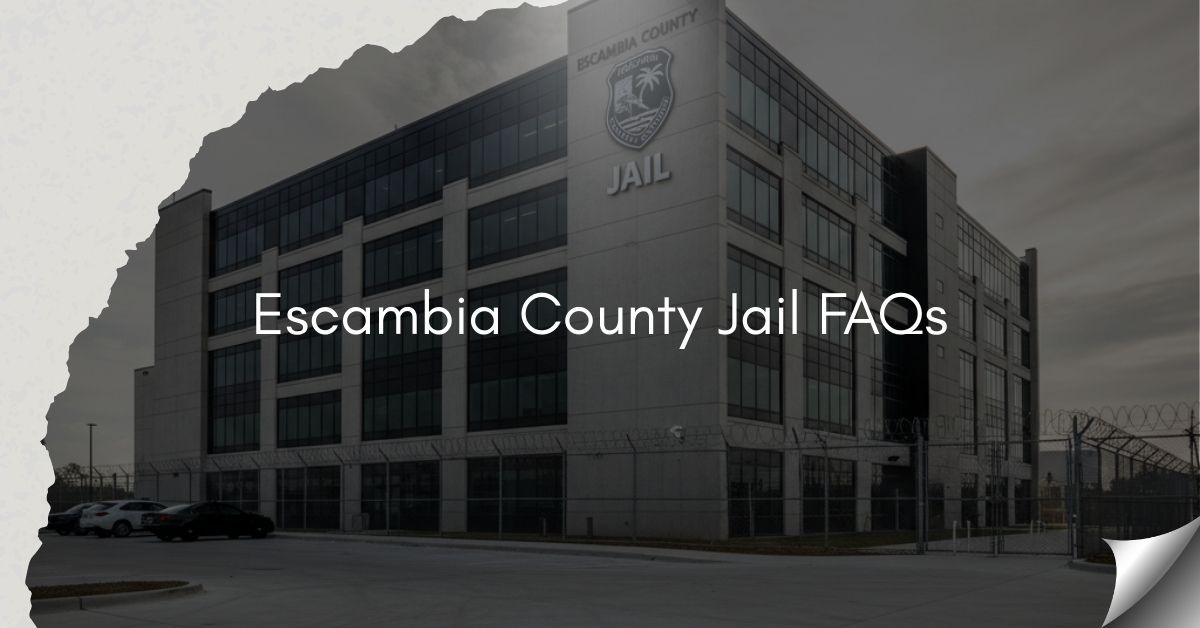
The Escambia County Jail FAQs provide answers to common questions about inmates, bond procedures, and jail operations. This page is intended for informational purposes and is not affiliated with any official government agency.
Here, visitors can find helpful details about inmate lookup, bond information, the Escambia County Sheriff’s Office, and ways to contact the jail. The content is designed to clarify frequently asked questions, making it easier to understand the detention process and related public records.
What is Escambia County Jail?
Escambia County Jail is a detention facility that holds individuals awaiting trial or serving short-term sentences. It does not operate as a court or law enforcement agency itself. The jail provides secure housing for inmates, ensuring public safety while individuals await court proceedings. Inmates may be placed in the facility after arrest or through transfers from other jurisdictions. The jail also manages intake, booking, and temporary custody. While it handles the day-to-day care of inmates, operational authority rests with the Escambia County Sheriff’s Office. Common questions often include procedures for visitation, inmate property, and release status, all of which are addressed by official sources.
Where is the Escambia County Jail located?
The main Escambia County Jail is situated at 3080 North Pace Boulevard, Pensacola, Florida 32501. This location serves as the primary site for inmate processing, bond posting, and detention. Visitors and those seeking inmate information should use the official channels for verification. The address provides context for inquiries but does not include navigational instructions or unofficial access. Jail help and public records requests are typically handled during regular business hours via phone or through official offices.
What does the Escambia County Sheriff’s Office do?
The Escambia County Sheriff’s Office provides law enforcement services across the county, focusing on safety and crime prevention.
Responsibilities include:
- Patrol Services: Deputies respond to calls, enforce traffic laws, and maintain a visible presence.
- Investigations: Teams handle major crimes, property offenses, economic crimes, and cyber-related cases.
- Public Safety: The office ensures emergency preparedness, community policing, and crime prevention programs.
- Community Support: Programs aimed at education, safety awareness, and assisting residents in emergencies.
This office operates under an elected sheriff and oversees various units, including narcotics, K‑9, SWAT, and civil processes. It supports the jail but is a separate entity responsible for law enforcement and community safety.
Is the Sheriff’s Office the same as the jail?
No, the Sheriff’s Office and the jail serve distinct roles. The Sheriff’s Office oversees law enforcement, while the jail manages detention and temporary custody of inmates. While the sheriff’s staff may supervise jail operations and coordinate with court systems, the jail itself functions as a detention facility. Recognizing this distinction helps clarify responsibilities and ensures accurate information for families, legal representatives, and the public seeking inmate help or custody details.
How can I search for an inmate in Escambia County?
Individuals can search for inmates through official Escambia County inmate lookup tools or by contacting the detention center directly. The lookup process provides verified information and helps ensure inquiries are accurate. Users should reference official sources rather than third-party sites for custody updates. Searches typically require the inmate’s first and last name and may show status such as booked, released, or transferred. This inmate help ensures families and legal representatives can track custody status responsibly.
What information is shown in an inmate lookup?
An inmate lookup typically displays:
- Full name of the inmate
- Booking status (e.g., in custody, released, pending trial)
- Charges (general description without sensitive personal details)
Detailed records such as addresses or medical information are not publicly available to protect privacy. Lookup tools focus on common questions about custody status, court dates, and bond information.
How is a bond set after an arrest?
A judge determines the bond amount based on the type of charge, prior criminal history, and other case circumstances. Bond ensures the inmate’s appearance at scheduled court dates and may vary depending on whether it’s a misdemeanor or felony. The jail staff bonds procedures but does not set the amount themselves.
How can a bond be posted?
Bond can be posted using:
- Cash directly at the jail
- Licensed bail bond agents registered with the county
This process guarantees the inmate’s court appearances and allows temporary release from custody.
Where can bond information be confirmed?
Bond details are verified through official sources:
- Escambia County Jail phone: 850‑436‑9830
- Clerk of Court Criminal Division: 850‑595‑4150
Families and legal representatives are encouraged to confirm information through these channels to ensure accuracy.
How can I contact Escambia County Jail?
The Escambia County Jail can be reached by phone during standard business hours. Staff can assist with general inquiries regarding inmates, visitation rules, or bond questions. Visitors should use official phone lines rather than unofficial channels to avoid misinformation. The main line also connects callers to specialized units if needed.
Who handles public records and background checks?
The Public Records Unit manages requests for jail reports and other public records. Jail records are distinct from court records, which are maintained by the Clerk of Court. For background checks or detailed inquiries, official verification ensures compliance with privacy laws and inmate help requirements.
What are specialized units within the Sheriff’s Office?
Several specialized units support the Sheriff’s Office operations:
- Investigations Unit: Handles major crimes and property offenses
- Narcotics Unit: Focuses on drug trafficking enforcement
- K‑9 Unit: Assists in searches and detection
- SWAT Team: Responds to high-risk situations
- Traffic Enforcement: Monitors and enforces road safety
These units may coordinate with the jail for investigations, inmate security, or custody management.