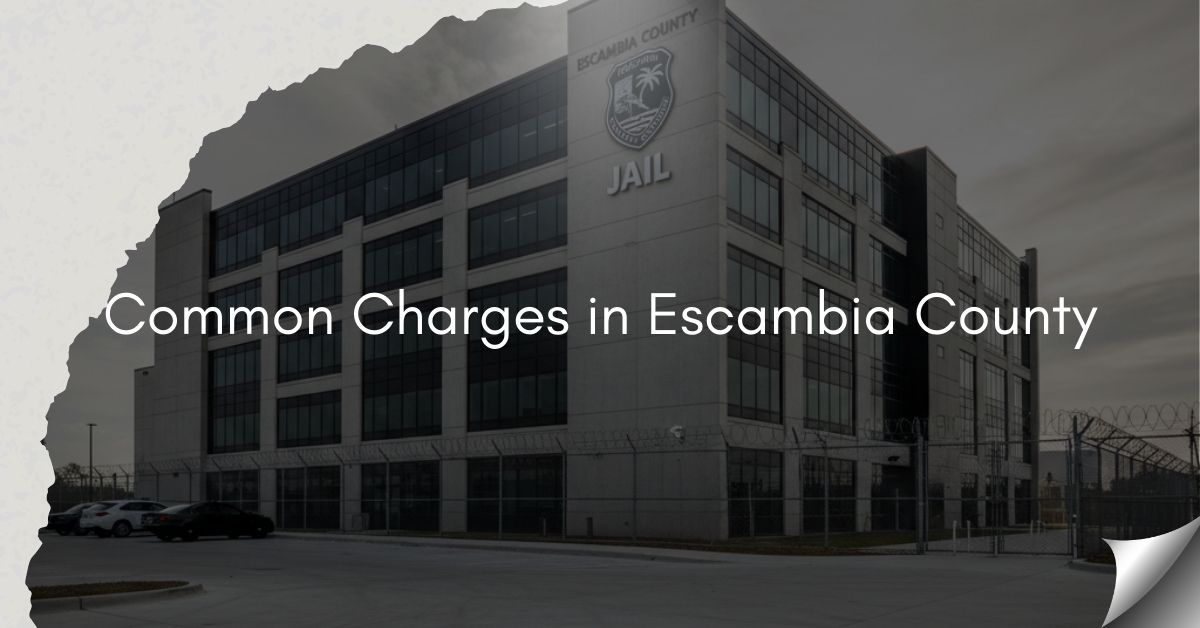
The common charges in Escambia County are essential for anyone facing criminal allegations, their families, or those simply researching the local legal system. Escambia County, like the rest of Florida, categorizes criminal offenses into felonies, misdemeanors, and traffic-related criminal charges. Each charge carries its own legal implications, potential penalties, and processes for arrest, booking, and court proceedings. This page provides a comprehensive overview of the most frequently encountered offenses, helping residents and legal professionals navigate jail charges info, offense types, and the distinctions between different criminal charges.
Being charged with a crime can be stressful and confusing, but knowing the structure and examples of common offenses in Escambia County helps clarify what to expect. From violent crimes and drug offenses to misdemeanor theft and DUI charges, understanding the range of offenses and how they are processed can provide critical insight into the local justice system. This also highlights offense classifications, potential consequences, and resources for accessing public records or jail information in Escambia County, ensuring readers have accurate and actionable information at their fingertips.
What Are Common Charges in Escambia County
Common charges in Escambia County refer to the most frequent offenses for which individuals are arrested and booked into local jails. These charges range from minor misdemeanors to serious felonies and reflect how the county enforces its criminal laws. In Escambia County, charges often start when law enforcement responds to an incident or investigation. After an arrest, the individual goes through a booking process, which records personal information, fingerprints, and sometimes photographs, commonly known as jail booking photos. The official charge is then filed by the sheriff’s office or prosecutor, creating a legal record for the court system.
How Charges Are Classified
Criminal charges in Escambia County are generally categorized into three main types:
- Felony Charges: These involve serious offenses such as aggravated assault, burglary, or drug trafficking. Felonies carry heavier penalties, including longer jail sentences.
- Misdemeanor Charges: Less severe offenses, like petty theft, simple battery, or DUI infractions. Misdemeanors usually result in shorter jail terms or fines.
- Criminal Traffic Offenses: Traffic violations that rise to a criminal level, such as reckless driving or driving with a suspended license.
These categories help residents and legal professionals identify the offense types and potential consequences associated with each charge. For example, someone charged with a misdemeanor may be eligible for probation, while felony charges often require court hearings and more complex legal procedures.
Connection to Jail Charges Information
Common charges are closely linked to jail charges info, as each recorded offense determines the individual’s housing, bail, and court scheduling. Escambia County maintains public records that include booking information, though access respects legal privacy requirements. By reviewing these records, one can see how local law enforcement and the judicial system classify offenses and track custody status. This overview provides context for criminal charges in the area and highlights the variety of cases handled by local authorities. Including specific examples and statistics, such as the number of DUI arrests or burglary charges processed annually, can offer additional clarity for those researching Escambia County crime patterns.
How Criminal Charges Work in Escambia County
Criminal charges in Escambia County begin the moment law enforcement identifies a potential offense. From arrest to court proceedings, the process follows defined steps that ensure the legal system addresses each case fairly. The sequence of events—from arrest and booking to charge filing and bail—helps residents and families stay informed about the local criminal justice system. Each stage plays a critical role in determining the outcome of a case and the conditions of incarceration.
Arrest and Booking Process
When law enforcement believes someone has committed a crime, the arrest process in Escambia County is initiated. Officers may detain the individual at the scene or transport them to a nearby station or the Escambia County Jail. At the jail, the booking process begins.
This involves:
- Recording personal information and alleged offenses
- Taking photographs and fingerprints
- Conducting health screenings
- Confiscating personal items for safekeeping
After booking, the individual is officially classified as an inmate. The jail maintains this record, which is part of public information under Florida law. People can access basic details like custody status, charges, and scheduled court dates through official channels, providing clarity for families, legal representatives, and other stakeholders.
Charge Filing and Court Assignments
Once booking is complete, the charge filing process begins. Prosecutors review the incident report, witness statements, and evidence to determine the appropriate criminal charges. These charges are categorized as:
- Felonies: Serious crimes that carry longer sentences
- Misdemeanors: Less severe offenses with lighter penalties
- Criminal traffic offenses: Violations that involve moving violations with criminal implications
After charges are filed, the case is assigned to a specific court in Escambia County. Felonies usually proceed to circuit court, while misdemeanors go to county court. Each assignment is based on the severity of the offense and statutory requirements. Court scheduling includes initial hearings, plea options, and pretrial proceedings.
Bail and Bond Basics
Bail and bond determine whether a charged individual can remain out of jail before trial. Judges in Escambia County set bail amounts based on factors such as:
- The severity of the crime
- Flight risk
- Criminal history
- Public safety concerns
Individuals can post bail directly in cash or through a bail bond service. For minor charges, judges may release defendants on their own recognizance, which allows them to leave jail without posting money.
Charge Classifications
Criminal charges in Escambia County are grouped into categories that reflect the severity and potential consequences of each offense. These classifications—felonies, misdemeanors, and criminal traffic offenses—help define how cases are handled in court and the penalties involved.
Felonies
Felonies are the most serious charges in Escambia County and typically involve violent crimes, major property offenses, or significant drug violations, often leading to long-term incarceration, steep fines, or both. Common examples include aggravated battery, burglary, murder, armed robbery, and large-scale drug trafficking, with first-degree felonies carrying the harshest penalties and third-degree felonies resulting in comparatively lighter sentences. Jail Mugshots are often associated with felony arrests and become part of publicly accessible records, reflecting the seriousness of these offenses. Felony cases are tried in circuit court, and convictions create permanent criminal records that can affect employment, housing, and other areas of life, highlighting the importance of recognizing the severity of these charges.
Misdemeanors
Misdemeanors are less severe offenses than felonies but can still lead to jail time, fines, or probation in Escambia County. Typical misdemeanor charges include assault and battery, petit theft under $300, possession of small amounts of marijuana or paraphernalia, and disorderly conduct, with repeated offenses or aggravating factors sometimes escalating to felony-level consequences. These cases are generally handled in county courts, and sentences are usually shorter, including alternatives such as community service or probation, yet they remain significant legal matters that can affect an individual’s record and daily life.
Criminal Traffic Offenses
Certain traffic violations rise to criminal offenses when they pose a risk to public safety or involve substance use, and Escambia County treats them with serious legal consideration. Common criminal traffic offenses include reckless driving, driving with a suspended or revoked license, DUI, and hit-and-run accidents causing injury or property damage, with repeat offenses or incidents causing harm potentially elevating charges to felonies. These cases can result in jail time, fines, license suspension, or mandatory courses, and they underscore the importance of adhering to traffic laws while highlighting how offense types can vary in severity and legal consequences.
Common Felony Charges in Escambia County
Most felony charges in Escambia County involve violent crimes, sexual offenses, robbery and burglary, major drug offenses, and weapon offenses, each carrying significant legal consequences including prison time, fines, and long-term effects on a person’s record.
Violent Crimes
Violent crimes involve acts that cause or threaten serious harm to another person, including aggravated assault, aggravated battery, murder, and domestic violence with injury, all of which are treated as felonies under Florida law and carry lengthy prison sentences depending on the severity and circumstances.
Sexual Offenses
Sexual offenses in Escambia County include sexual battery, lewd or lascivious acts with minors, and possession or distribution of child pornography, and these charges carry strict penalties such as long-term imprisonment, mandatory sex offender registration, and court supervision after release.
Robbery & Burglary
Robbery and burglary are felony property crimes that involve force, threat, or unlawful entry to commit theft, with robbery including taking property directly from a person by threat or force, while burglary involves entering a home, business, or vehicle with intent to commit a crime, both punishable under Florida statutes with prison and fines.
Major Drug Offenses
Major drug offenses include possession with intent to distribute, trafficking, and manufacturing controlled substances such as cocaine, methamphetamine, or other illegal drugs, and the severity of charges depends on the type and amount of the substance, often resulting in felony convictions with mandatory prison time in Escambia County.
Weapon Charges
Weapon charges cover illegal possession, carrying, or use of firearms or other weapons, including carrying a concealed weapon without a permit, possession by a convicted felon, discharging a weapon in public, or illegal sale, all considered felonies under Florida law and carrying prison sentences, fines, and permanent restrictions on firearm ownership.
Common Misdemeanor Charges
Misdemeanor charges in Escambia County involve offenses that are less serious than felonies but can still carry fines, probation, or short jail sentences. These charges often include everyday incidents like minor assaults, DUIs, and property crimes. Common misdemeanor charges help residents and visitors recognize how the law classifies offenses and what penalties may apply. Local courts handle these cases promptly, and penalties vary depending on the circumstances and prior offenses.
Simple Assault and Battery
Simple assault and battery are among the most frequently reported misdemeanor charges in Escambia County. These charges typically arise when a person intentionally threatens or causes minor physical harm to another individual.
- Simple assault occurs when someone threatens harm without necessarily causing injury.
- Battery involves actual physical contact that is harmful or offensive.
Penalties for these offenses may include fines, probation, community service, or up to a year in the county jail. Repeat offenses can escalate a misdemeanor to a felony. According to Escambia County court records, simple assault charges account for a significant portion of misdemeanor filings each year.
DUI and Alcohol-Related Misdemeanors
DUI charges in Escambia County are considered serious misdemeanor offenses, especially for first-time offenders. Driving under the influence of alcohol or drugs can result in legal penalties, including license suspension, fines, mandatory education programs, and possible jail time.
- First-time DUI: Often results in probation, fines, and alcohol education classes.
- Repeat DUI offenses: Can lead to longer jail sentences and higher fines.
Alcohol-related misdemeanors may also include public intoxication or underage drinking violations. Local law enforcement monitors these offenses closely, and courts often use diversion programs for eligible defendants.
Petit Theft
Petit theft refers to the unlawful taking of property valued below a certain threshold, usually under $750 in Florida. This is one of the most common property-related misdemeanor charges in Escambia County.
- Examples include shoplifting, unauthorized use of someone’s property, or stealing minor items.
- Penalties often include restitution, community service, fines, and up to a year in jail.
Courts differentiate petit theft from grand theft based on the value of the property. Even though it is a misdemeanor, a conviction can affect employment opportunities and require a permanent criminal record.
Resisting Arrest Without Violence
Resisting arrest without violence occurs when an individual actively obstructs a law enforcement officer during an arrest but does not use physical force. This charge is classified as a misdemeanor in Escambia County.
- Actions such as running away, refusing to follow instructions, or interfering with officers’ duties may result in this charge.
- Convictions can lead to fines, probation, or short jail terms.
It is important to understand that resisting arrest does not require physical confrontation to be considered illegal. Courts in Escambia County enforce this law to ensure public safety and smooth law enforcement operations.
Boating and Ordinance Violations
Misdemeanor charges in Escambia County also cover certain boating violations and local ordinance infractions. These can include operating a boat while intoxicated, violating noise ordinances, or failing to comply with local regulations.
- Boating under the influence (BUI) is treated similarly to DUI, with penalties like fines, probation, or short-term jail sentences.
- Local ordinance violations may include public disturbances or minor safety violations.
These charges help maintain community safety and preserve public order. While often considered minor offenses, repeated violations can lead to increased penalties and a criminal record.
Criminal Traffic & DUI Charges
Criminal traffic offenses in Escambia County include serious moving violations that carry criminal penalties, not just fines. DUI charges can change in level based on prior convictions and the facts of the case.
Typical Traffic Crimes Classified as Criminal Charges
In Escambia County, certain traffic violations are treated as criminal offenses rather than civil tickets. These criminal traffic offenses often affect a person’s record and can lead to jail time or probation.
Common examples include:
- Driving While License Suspended or Revoked
This occurs when someone drives after the state has suspended or revoked their license for a past offense. - Reckless Driving
This charge applies when a driver operates a vehicle with willful disregard for safety. - Fleeing or Eluding Law Enforcement
Leaving the scene to avoid a traffic stop can lead to felony charges in some cases. - Hit and Run with Injury
Leaving the scene after causing injury may result in serious criminal charges.
These offenses impact insurance rates, may require court appearances, and can lead to a record that shows a criminal conviction.
How DUI Can Increase in Severity
DUI stands for Driving Under the Influence of alcohol or drugs. In Florida, a first or second DUI is often a misdemeanor. After multiple DUI convictions, the charge can escalate.
Here are typical DUI levels:
- 1st DUI: Usually a misdemeanor. Penalties may include fines, license suspension, and a short jail stay.
- 2nd DUI: Higher fines and longer suspension. Jail time is more common.
- 3rd DUI or more: Can become a felony in Florida. This is more serious and may include significant jail time and higher fines.
Factors that can raise the level include:
- High blood alcohol level (BAC over .15)
- DUI with a minor in the vehicle
- Causing a crash with serious injury
When DUI reaches a felony level, courts treat it as a major criminal offense. This affects sentencing and future opportunities.
Penalties & Court Steps
Court procedures begin with an arraignment, where the charge is read, and the defendant enters a plea. After that, the case may move to pretrial hearings or settlement talks.
Possible outcomes include:
- Jail or prison time, based on offense type and record
- Probation with specific rules
- Fines that must be paid to the court
- Driver’s license actions, such as suspension or ignition interlock requirements
Escambia County judges follow Florida law when setting penalties for criminal traffic offenses and DUI charges. People facing these charges often check the schedule and expectations ahead of their court date. Continuous contact with the clerk’s office or legal support can help with deadlines and paperwork.
FAQs: About Common Charges
Many residents have questions about criminal charges in Escambia County. This section provides clear answers to common concerns about felonies, misdemeanors, DUIs, and court procedures.
What is the difference between a felony and a misdemeanor in Escambia County?
A felony is a more serious crime with longer jail time and heavier fines, while a misdemeanor is less severe, usually resulting in shorter sentences or probation. In Escambia County, felonies include offenses such as aggravated assault, burglary, and drug trafficking, and are handled in circuit courts, whereas misdemeanors, like petit theft, simple assault, or minor traffic violations, are processed in county courts, affecting sentencing, jail time, and long-term consequences.
How do I find out my charges?
Individuals can access charge information through official Escambia County arrest records or by contacting the clerk of court, as the arrest process begins with law enforcement taking custody, followed by booking, where charges, arrest dates, and booking numbers are recorded. Authorized parties can use the Escambia County Jail inmate search online to view current charges, custody status, and court dates, ensuring they reference official county sources for accurate, up-to-date information.
Can a DUI be reduced?
Some DUI charges in Escambia County can be reduced depending on case details, prior offenses, and evidence presented, with first-time offenders sometimes qualifying for plea agreements or diversion programs that lower a charge from a misdemeanor to a lesser traffic offense. Courts consider driving history, blood alcohol levels, cooperation, and participation in alcohol education or treatment courses, while legal representation can assist in negotiating reduced penalties, alternative sentencing, or probation instead of jail.
What happens if I skip a court date?
Missing a court date can result in a bench warrant, additional fines, and potential jail time, as Escambia County courts take failures to appear seriously, which may also affect bail status and delay resolution of criminal charges. Individuals who cannot attend should contact the court to reschedule, as failure to do so escalates legal consequences and can complicate ongoing cases, emphasizing the importance of maintaining accurate records of court dates and charges.
Can criminal charges in Escambia County be expunged or sealed?
Certain criminal charges in Escambia County may be eligible for expungement or sealing depending on the offense type, sentence completion, and time elapsed since the conviction. Typically, misdemeanor charges and some non-violent felonies can be petitioned for expungement under Florida law, which limits public access to records and may improve employment or housing opportunities. Individuals must file a petition with the court and clerk of records, and eligibility often requires that all fines, probation, or other court-ordered obligations have been fully satisfied, making it important to consult official county resources for accurate guidance.