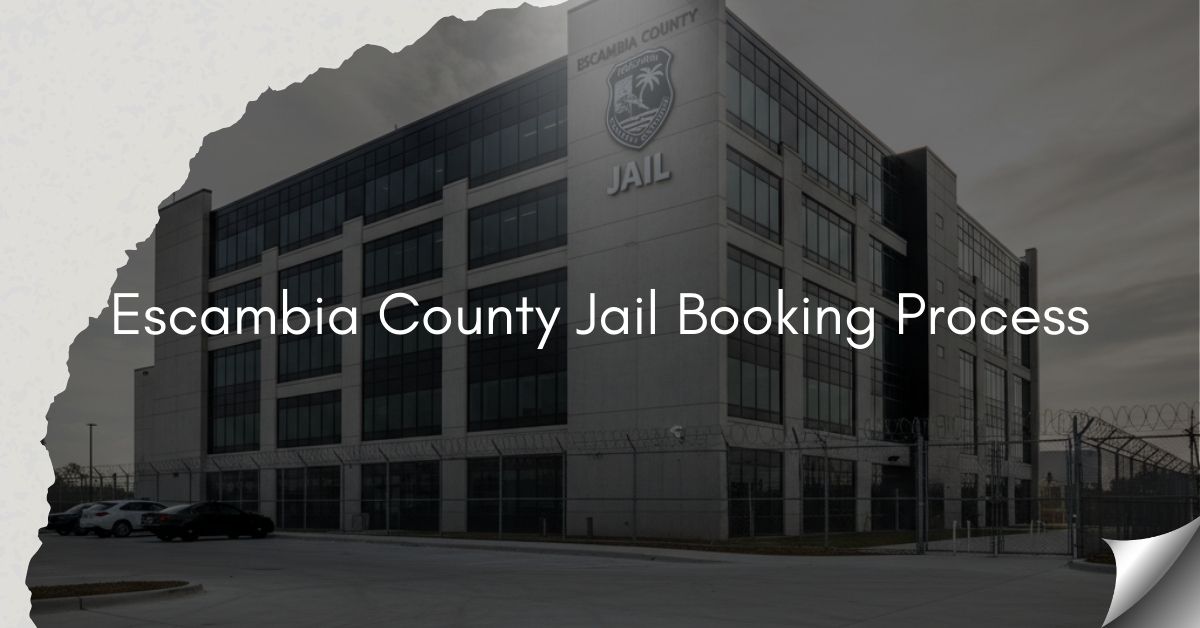
The Escambia County Jail booking process begins immediately after an individual is arrested and transported to the facility. During this process, jail staff complete the inmate intake process, which includes verifying identification, recording personal and arrest information, and taking fingerprints and mugshots. Each step is designed to maintain accuracy, safety, and proper documentation while ensuring the individual is processed quickly. The arrest processing stage also includes an initial review of criminal history, health screenings, and assessment for any special housing needs, providing a secure and organized transition into the jail system.
Working with a bail agency in Escambia County helps make the release process smoother and legally compliant. When a defendant is held at Escambia County Jail, agents explain the different types of bonds, such as cash bonds, property bonds, and surety bonds, and provide flexible payment options or collateral alternatives. Licensed professionals manage all necessary forms and ensure the court’s requirements are met, allowing defendants to return home sooner while preparing for their hearings. For immediate assistance, contacting a local bail bond agency is the fastest way to arrange release and receive expert support throughout the bail process.
What Is the Escambia County Jail Booking Process?
The Escambia County Jail booking process is a series of steps taken when an individual is brought into the jail after an arrest. It ensures that every inmate is safely identified, documented, and prepared for custody. In Escambia County, the inmate intake process begins immediately after arrest. This process is a structured set of booking procedures designed to record personal information, verify identity, and assess the inmate’s initial custody needs. Arrest processing differs from booking in that it starts at the point of law enforcement contact, where officers take an individual into custody and gather preliminary details about the alleged offense. Booking occurs after this stage and involves the jail’s internal intake system.
Arrest Processing vs. Booking vs. Classification
Arrest processing marks the initial law enforcement action.
It includes:
- Detaining the individual at the scene
- Recording basic personal and incident details
- Transporting the person to the jail facility
Once the inmate arrives at Escambia County Jail, booking procedures begin.
These steps include:
- Verifying identity through personal information and identification documents
- Photographing and fingerprinting for official records
- Conducting medical and mental health screenings
- Logging personal property and issuing receipts for stored items
Classification Assessment After Booking
After booking, the jail performs a classification assessment. This step evaluates the inmate’s custody level and housing assignment based on factors such as criminal history, behavior, and health needs. Classification ensures safety for both staff and inmates and determines the appropriate housing within the facility.
Maintaining Security and Legal Compliance
The Escambia County inmate intake process is structured to maintain security, accountability, and legal compliance at every stage. It also provides the foundation for other methods, including court appearances, bail consideration, and inmate communication systems. By separating arrest processing, booking, and classification, the jail maintains an organized workflow that protects individuals’ rights while meeting operational requirements.
Integration With Inmate Lookup System
Integrating these procedures ensures that every inmate is correctly documented, medically screened, and assigned a proper housing classification. The process also feeds into the inmate lookup system, allowing legal representatives and family members to access up-to-date booking information once records are available to the public.
Clarifying Booking and Arrest Processes
By clarifying the difference between arrest processing, booking procedures, and classification, Escambia County Jail provides a clear, structured path for safely managing new arrivals. This structured approach supports accountability, security, and transparency throughout the jail system.
Steps: Escambia Arrest to Booking
The Escambia County jail booking process begins the moment law enforcement takes someone into custody. Arrests are made based on probable cause or an active warrant, triggering the official arrest processing. The individual is then transported securely to the Escambia County Jail. During transport, officers document the arrest details, including time, location, and circumstances. This step ensures accountability and prepares the facility for the upcoming intake procedures. Proper transport to jail helps maintain security and ensures accurate records for the booking process.
Arrest & Transport to Facility
Once an arrest occurs, law enforcement officers escort the individual directly to jail. This stage is the official start of arrest processing. Officers maintain detailed records during transit, noting the reason for arrest and any observable behavior. Transport is conducted securely to protect both the inmate and the public. The information gathered here helps coordinate the next steps of intake screening. Overall, this ensures that the booking process begins in a controlled and documented manner.
Initial Intake Screening
After arrival, inmates go through intake screening, where staff record personal information, including name, birthdate, and identification numbers. Jail personnel also ask about health concerns, medications, and recent medical history. Risk factors, such as intoxication or aggressive behavior, are assessed to ensure safety. This step sets the stage for a proper classification assessment and determines housing needs. Completing this step accurately is critical to the overall booking steps and facility operations.
Fingerprints, Mugshots & ID Assignment
During booking, the inmate’s fingerprints are scanned, and a mugshot is taken to create a permanent identification record. A unique ID is assigned to link the inmate with all jail records. These procedures support the booking process by ensuring accurate identification for court appearances, legal documentation, and inmate monitoring. The collected data also integrates with national law enforcement systems to prevent errors and maintain security.
Personal Property Inventory & Storage
All personal property is collected, itemized, and stored securely. This includes valuables, clothing, electronics, and other possessions. The inmate receives a receipt listing all items, which helps prevent disputes. This inmate property inventory is a key part of the booking procedures. Certain items may be restricted for safety reasons, and staff ensure that everything is accounted for before moving the inmate to housing.
Medical Screening
A medical screening is conducted immediately to assess physical and mental health. Nurses or trained staff review medications, allergies, and past medical conditions. Vital signs are recorded, and mental health assessments are performed as needed. Emergency issues may require immediate treatment before entering the general population. This step is part of the intake process and ensures the safety of the inmate and staff throughout their stay.
Criminal History, Warrants & Classification
Finally, staff review the inmate’s criminal history, outstanding warrants, and prior convictions to determine custody level. The classification assessment guides housing assignments, monitoring needs, and access to programs. Information from fingerprints, arrest records, and court documents is cross-checked for accuracy. Proper classification helps maintain safety, streamline operations, and complete the remaining booking steps efficiently.
After Booking: What Happens Next?
Once an individual completes the booking process at Escambia County Jail, they enter a phase where their custody status and next steps are determined. The post-booking period involves either being held for court or released, as well as updates to public inmate information.
Release or Holding
After booking, each inmate’s situation is assessed to determine whether they remain in custody or are eligible for release. Bail information and the release process are central to this phase. Some individuals may be held until their first court appearance, while others may qualify for immediate release depending on the charges and prior criminal history. In general, the holding period begins once the booking is complete. During this time, jail staff review legal records, verify identification, and confirm any active warrants. Bail amounts are often set based on the severity of the alleged offense and the judge’s discretion. If bail is posted, the inmate may be released on the same day, sometimes within a few hours.
Points about release or holding include:
- Inmates with minor offenses may be eligible for pretrial release.
- Serious charges often require remaining in custody until the first appearance in court.
- Jail staff maintain detailed records of release eligibility, including any restrictions or holds.
- Property and personal items are returned upon release, following proper verification procedures.
This step ensures both the safety of the facility and compliance with legal obligations. Clear communication with family members or legal representatives is encouraged during this period.
First Appearance Court & Video Court
The initial appearance is typically scheduled shortly after booking, often within 24 to 48 hours. This hearing is where a judge formally informs the inmate of the charges, considers bail, and explains upcoming court dates. Some cases may involve video court, allowing inmates to appear remotely from the facility. Video court sessions help reduce transport risks and improve efficiency while maintaining legal transparency. During this stage, court scheduling is crucial for ensuring timely hearings and procedural compliance.
Key aspects include:
- Charge notification: The inmate is informed of all pending charges.
- Bail determination: Judges review eligibility and set amounts if applicable.
- Court scheduling: Future hearings, pretrial conferences, and trial dates are assigned.
- Remote access: Video court allows secure, supervised participation without leaving the facility.
This process helps streamline the legal system and keeps the inmate informed about the next legal steps.
How Booking Data Appears Online
After processing, inmate information is typically updated in the jail view system, which allows the public and authorized personnel to check custody status. Information usually becomes accessible shortly after booking, though there may be brief delays due to data verification.
The inmate lookup system provides key details, including:
- Name and booking ID
- Charges and bond amounts
- Housing location within the facility
- Booking date and time
Using this system, family members, attorneys, and the general public can confirm whether an individual is in custody and track release eligibility. It serves as a transparent and reliable source for post-booking information while maintaining safety protocols for both inmates and staff.
Facility Information & Related Services
The Escambia County Jail system operates multiple facilities that manage inmate housing and related services. Visitors, family members, and legal representatives rely on clear information about each location and the available communication options.
Escambia County Jail Facilities
Escambia County Jail includes the Main Jail and the Work Annex, each serving specific purposes for inmate custody and supervision. The Main Jail houses most pretrial detainees and sentenced inmates. It contains classification units that assign housing based on security level, age, and health or behavioral needs. Booking, intake, and release processes occur primarily at this facility, and Recent Bookings information is generated during these procedures, making it the center of inmate management. The Work Annex accommodates inmates involved in supervised labor programs. These programs allow participants to perform assigned tasks under secure conditions. Inmates at the Work Annex follow schedules for work, recreation, and meals while remaining in custody. Both the Main Jail and Work Annex follow structured procedures for property handling, medical screening, and daily routines.
Points about Escambia County Jail facilities:
- Inmate housing is determined by classification and security level.
- Medical and mental health screenings occur during intake at all facilities.
- Property is inventoried and stored securely with detailed records.
- Nearby jurisdictions may be used for overflow or specialized custody needs.
These procedures create a secure and organized system, allowing families and legal representatives to stay informed and maintain contact.
Visitation & Communication
Escambia County Jail provides several ways for inmates to communicate with family members and legal representatives while maintaining safety. Communication options include Video Visitation, Phone Communication, and Mail & Packages, each following specific rules to ensure security and efficiency.
Video Visitation
Video visitation is available at both the Main Jail and the Work Annex. Family members or attorneys can schedule sessions online through approved platforms. Each visit is monitored by jail staff and follows time limits and facility rules. Video visitation allows secure, real-time contact without requiring in-person entry, making it convenient for those unable to visit the facility physically.
Phone Communication
Inmates can make outgoing calls using prepaid accounts or collect call systems. Incoming calls are limited to maintain security within the facility. All phone communication is monitored according to jail policies, ensuring proper use while allowing inmates to stay in touch with their family and legal contacts.
Mail & Packages
Letters and packages can be sent to inmates, but they are screened to comply with facility rules. Packages may require pre-approval before delivery. Each piece of mail must include the inmate’s facility and housing unit to guarantee it reaches the correct recipient. Proper addressing and adherence to guidelines help avoid delays in communication.
(FAQ) About Escambia Booking
Many people have questions about the Escambia County Jail booking process. This FAQ section answers the most common concerns about arrest processing, inmate intake, booking status, and property handling. It provides clear information for family members, attorneys, and anyone checking the jail lookup system.
How long does booking take?
Booking at Escambia County Jail usually takes two to six hours, depending on the number of arrests and required procedures. The process begins as soon as an arrestee arrives, with staff collecting personal information, taking fingerprints, and performing a medical screening. Delays can occur if additional paperwork or special screenings are needed. Most individuals complete intake within a few hours, though high-volume periods may extend the process. Each step ensures proper arrest processing and accurate booking status.
Why isn’t someone showing up in the inmate lookup after booking?
An arrestee may not appear immediately in the Escambia County Jail lookup system because updates take time. After processing, staff verify all records, charges, and personal information before posting them online. In some cases, such as juveniles or sensitive medical situations, access may be restricted for privacy. Users can wait a few hours or contact the facility directly for confirmation. The jail lookup reflects live data but may lag during high-volume periods.
What information is included in the booking records?
Booking records include the arrestee’s full name, personal identifiers, photograph, fingerprints, charges, bond details, custody status, and court dates. This information helps law enforcement manage arrest processing and inmate placement efficiently. Some sensitive data, like medical history, is not included in public records. The records allow family members, attorneys, and authorized individuals to verify the booking status accurately. Proper record-keeping ensures accountability and transparency during intake.
Can someone post bail during booking?
Yes, bail can often be posted during the booking process once the charges are processed and the bond is set. Jail staff provide information about the amount and accepted payment methods, including cash, credit card, or licensed bondsmen. After payment, the arrestee may be released the same day, depending on paperwork verification. In some cases, like federal or high-risk charges, bail may not be allowed. Posting bail during intake helps streamline release procedures efficiently.
What happens to property that’s confiscated?
All personal items collected during intake screening are logged, inventoried, and stored securely. This includes clothing, wallets, electronics, and keys. Restricted or prohibited items, such as weapons or illegal substances, are not returned. Property is released to the individual upon discharge, unless legal holds prevent it. Proper handling ensures safety and accountability throughout the booking process, protecting both staff and inmates.